How to Choose Quad Biking in Dubai for Your Desert Plans
Quad biking dubai can mean very different experiences. Some rides are short and gentle, while others cover open dunes with faster sections and more technical turns. The right choice depends on your comfort with machinery, the terrain you want, and how much structure you need around the ride. Taking a little time to compare options makes the day safer and far more enjoyable.
Start with the rider, not the bike
Begin by being honest about who will ride. A quad bike is not a bicycle with an engine. It has weight, torque, and a wide stance, and it reacts differently on sand than on roads. A confident rider may enjoy a longer route with rolling dunes. A first timer may prefer a controlled area, slower pace, and clear instructions before moving onto uneven ground.
Height, age, and experience can affect which machine suits each person. If the group includes children or less confident riders, look for arrangements that separate beginners from faster riders. Shared routes can feel stressful when one person wants to sprint and another is still learning how to turn smoothly. The best option is one where everyone can settle into a pace that feels manageable.
Also think about physical comfort. Riding involves gripping the handlebars, bracing your legs, and shifting your body over bumps. Anyone with back, wrist, or shoulder discomfort should look for a gentler route and take breaks. There is no shame in choosing a calmer ride. Good decisions at this stage prevent fatigue, which is a common cause of mistakes later.
Decide what kind of desert ride you want
Next, define the experience you are looking for. Some people want a straightforward ride across firm sand with a few photo stops. Others want a more adventurous session with steep dunes, ridge lines, and tight turns. The terrain changes the difficulty far more than the look of the vehicle.
Firm desert tracks are easier to read. The surface gives more predictable feedback, and riders have time to correct small errors. Soft sand asks for more balance and throttle control. A sand dune can look gentle from a distance but feel steep when you are climbing it, especially if the approach angle is poor or the surface has been cut up by earlier vehicles.
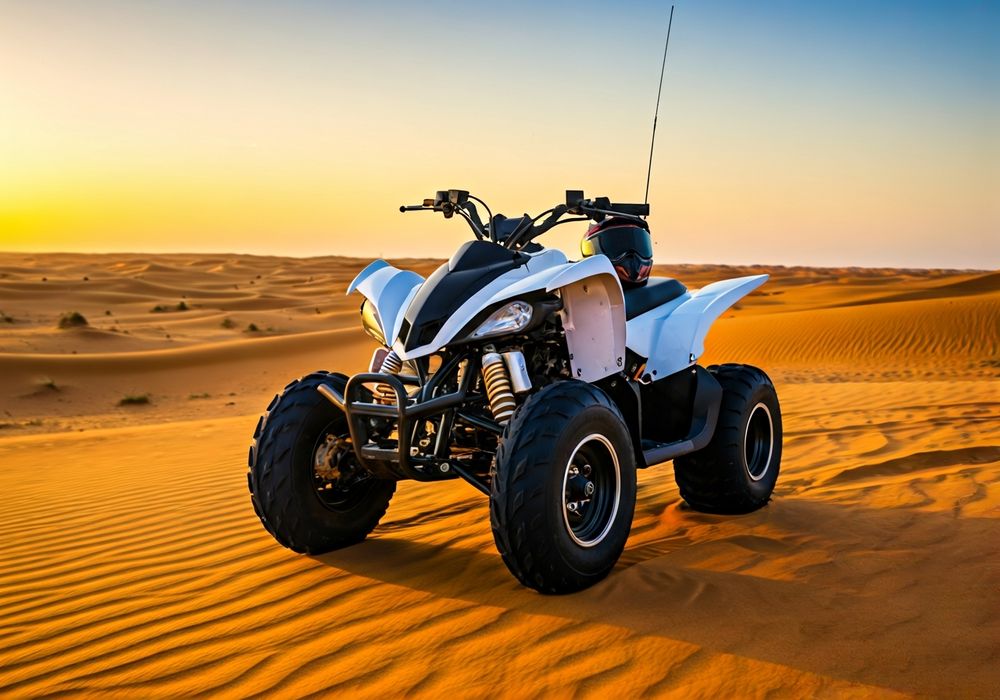
If you want a broader desert day, consider how the ride fits with a desert safari. Some visitors like the contrast of a morning ride followed by a relaxed camp visit. Others prefer the quieter light later in the day. The key is to avoid packing too much into one outing. Heat, dust, and excitement can drain energy faster than expected.
It also helps to understand the difference between a quad bike and a dune buggy. A quad is ridden like an ATV, with the rider seated on top and steering through handlebars. A dune buggy usually has a seat, steering wheel, and a more enclosed frame. Buggies can feel stable, but they also demand respect on dunes. Choose the format that matches your balance, confidence, and preference for control.
Check safety standards before choosing
Safety should shape the decision from the start. A suitable option will have a clear briefing, defined riding area, and rules that are explained before engines start. Watch how instructions are given. A good briefing covers hand signals, stopping distance, body position, and what to do if the group becomes spread out.
Protective gear matters too. A helmet should fit properly, sit level, and stay secure without pinching. Gloves improve grip and protect hands from vibration and rough edges. Closed shoes are better than sandals, and long trousers help against sand, sun, and brush. Eye protection is useful when wind lifts dust across the route.
Ask how riders are supervised without turning the conversation into a test. The aim is to understand the structure. Are beginners kept together? Is there a lead rider and a trailing rider? What happens if someone wants to stop? Clear answers usually point to a better organised experience than vague promises.
Mechanical condition is another point to watch. A quad bike engine should start cleanly, idle steadily, and respond smoothly when the throttle is used. Torn seats, loose parts, cracked plastic, or worn tyres are signs to take seriously. If something looks neglected, do not assume it will be fine once the ride begins. Mechanical faults are not a DIY repair job on the day, they are a reason to choose a properly maintained option or ask a qualified professional to assess the issue.
Compare route length, pace, and group size
Once safety basics are clear, compare the route itself. Duration is only part of the picture. A shorter route with frequent stops may feel longer in a good way, while a longer route with fast sections can be tiring. Ask whether the route includes open sand, marked tracks, hill climbs, or flat areas for practice.
Group size changes the feel of the ride. A small group tends to be easier to manage, with more room for questions and fewer delays. A larger group can still work well if riders are grouped by ability. Watch for signs that the pace is being pushed by the fastest person. That can make nervous riders tense and increase the chance of a poor turn or sudden stop.
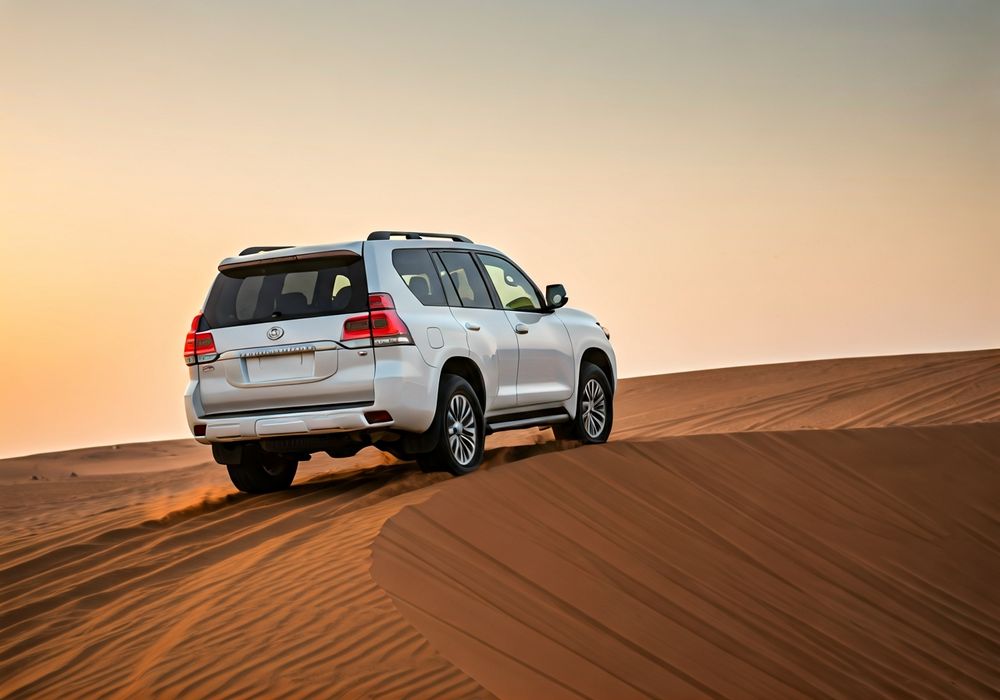
Timing matters as well. Midday heat can make riding harder, especially when the sand is loose and the sun is strong. Early or late slots often feel more comfortable, though conditions can still change quickly. Wind can reduce visibility, and fresh tracks can make a route more uneven. A flexible mindset is useful, but the route should still be managed with care.
When comparing providers, look at what is included in the riding time. Some sessions count briefing and gear fitting within the total, while others focus on time on the bike. Neither is automatically better, but the difference affects expectations. The Camel Desert Safari Dubai official site may be checked for basic context while you compare the overall fit of an option with your plans.
Read the rules and ask practical questions
Before committing, read the stated rules carefully. Pay attention to age limits, licence expectations, passenger rules, and what happens if a rider cannot continue. Rules are not there to spoil the fun. They define how the ride stays manageable for everyone involved.
Useful questions are simple ones:
- Will riders be grouped by experience level?
- What gear is provided, and what should riders bring?
- How are stops handled during the route?
- What is the plan if weather or sand conditions change?
- Are there designated areas for faster riding?
Listen for specifics rather than polished slogans. A clear answer about braking practice or route spacing is more useful than a broad claim about adventure. If answers are rushed or contradictory, treat that as a warning sign.
Insurance and liability terms are also worth reading. They can clarify what is covered and what is not. This is not the most exciting part of planning, but it helps avoid confusion later. If a term is unclear, ask for it to be explained in plain language before paying or travelling.
Match the option to the day around it
Think beyond the ride itself. Desert plans often include transfers, meals, a desert camp, photography, or other activities. A good fit should leave enough time to move between parts of the day without rushing. Rushing is where small mistakes happen, from forgottten gear to skipped instructions.
If the ride is part of a family outing, build in a quiet period afterwards. Adrenaline can mask tiredness during the session, then catch up later. Water, shade, and a calm meal help riders recover. In hot conditions, drinking regularly before and after matters as much as drinking during the ride.
Clothing should be chosen with sand in mind. Lightweight layers work better than heavy kit, and nothing loose should hang near the handlebars or wheels. Goggles or sunglasses help with glare and flying sand. A small bag for essentials is fine, but avoid carrying anything that could fall out on a turn.
For visitors comparing several names, the Camel Desert Safari Dubai official site can be one reference point among others. Keep the decision grounded in rider needs, route suitability, safety structure, and clear communication. A well chosen ride should feel exciting without feeling chaotic.
Make the final choice with a calm check
When the options are narrowed down, do a final pass. Confirm the meeting point, start time, duration, gear, and rider requirements. Check that the route level matches the least confident rider, not only the most eager one. Look again at the condition of the machines and the quality of the briefing, because these two details reveal a lot.
Avoid choosing purely on speed or the most dramatic dune images. Those can be useful clues, but they do not show how the ride is managed. The right quad biking dubai option is the one that gives the group clear limits, steady supervision, and terrain that fits its abilities. With those pieces in place, the desert feels like a place to enjoy rather than a place to cope with.